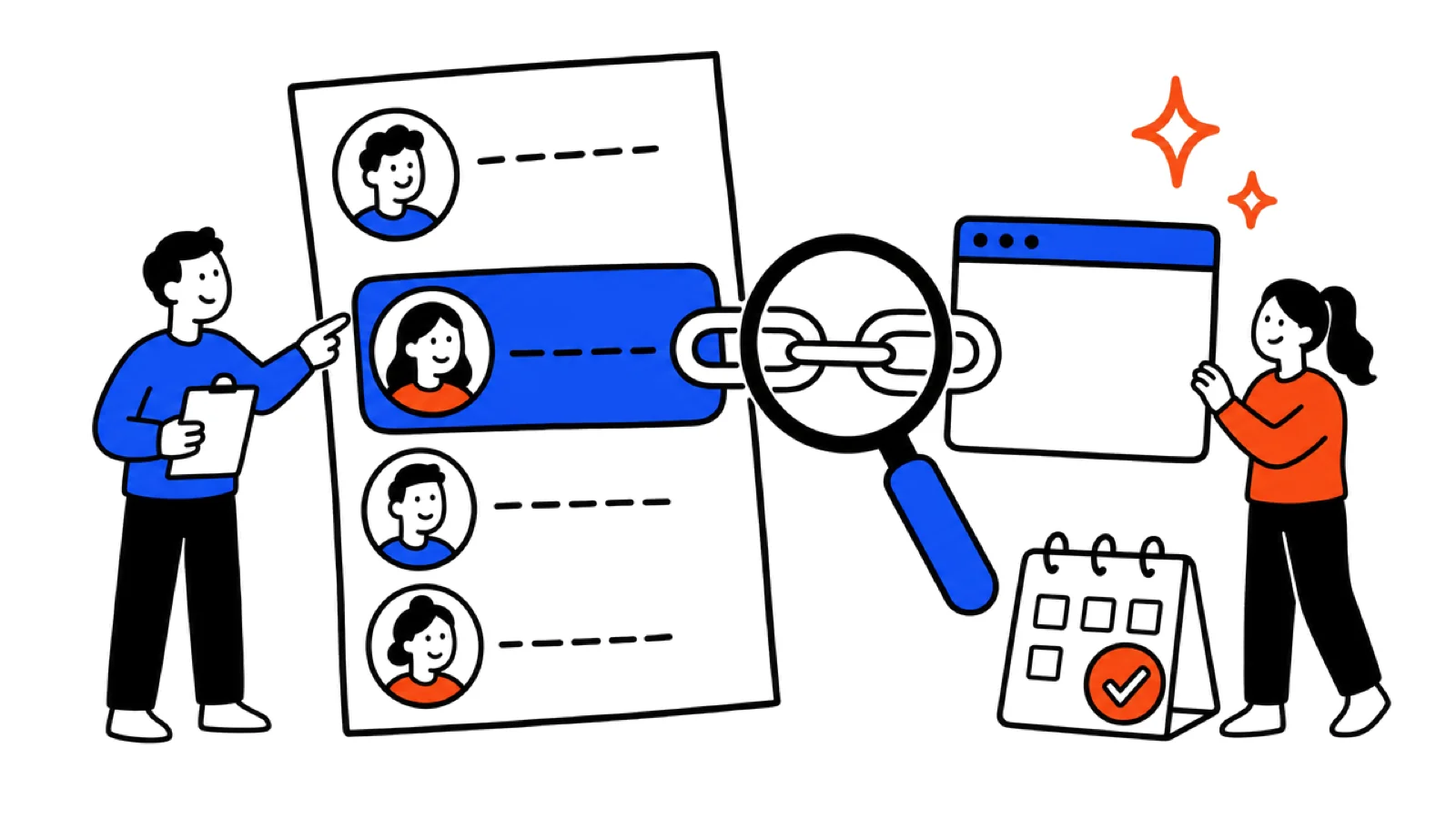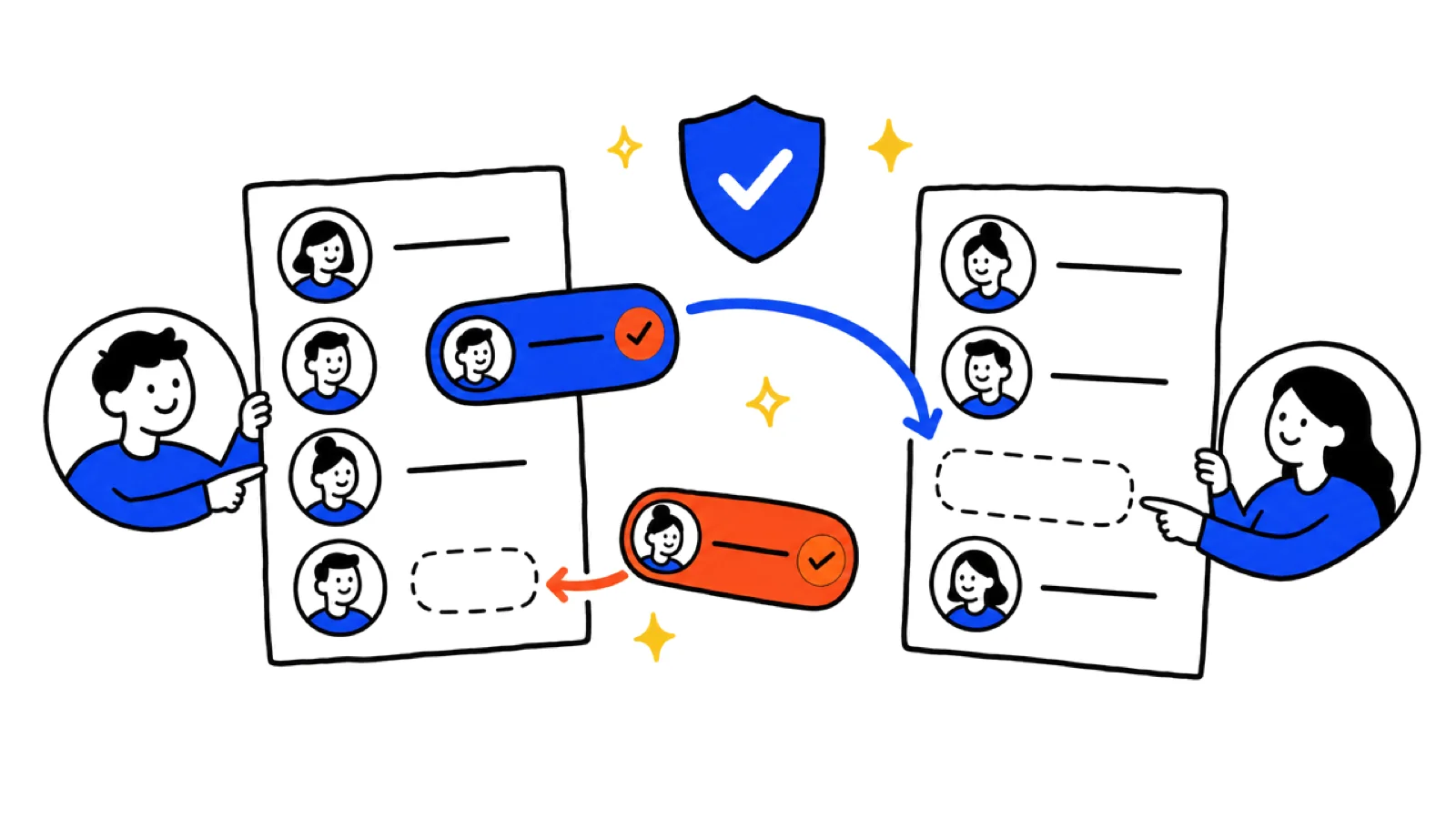
Reciprocal listicle swaps are reliable only when both parties offer relevant pages, useful mentions and clear placement terms. They are not a dependable shortcut to rankings, and an exchange can lose value if either page changes. A reciprocal listicle swap is an agreement in which two list owners add each other's products to relevant articles.
Before you agree, inspect the page, decide whether your product belongs on it and record what each side will publish. Then check that both placements remain live. This guide covers reliability, search policy risk, partner checks, placement terms and monitoring. It also explains why searches for this topic can be confused with questions about LS engine swaps, which are unrelated.
Are reciprocal listicle swaps reliable?
Reciprocal listicle swaps can be reliable as a publishing arrangement when each participant controls the promised page, accepts clear terms and keeps the placement useful to readers. Reliability does not mean permanence. A list owner can edit, move or remove a mention later, so you need a way to detect changes.
Start with editorial fit. Your product should match the list's subject and selection logic. A project management product may fit a list of project management tools, but it does not belong in a list merely because the page has traffic or authority.
A reliable swap should answer these questions before either side edits a page:
- Which exact pages will contain the mentions?
- Where will each product appear?
- What product name and destination link will be used?
- Will the entry include an accurate description?
- What happens if an article is removed or substantially changed?
- Who will confirm that both placements are live?
The arrangement also depends on the pages staying under the participants' control. A contributor who cannot edit the promised article cannot offer the same certainty as its owner or publisher.
AY Listicle supports reciprocal mention swaps and credit-based placements for SaaS founders. Its crawler checks a listing for the product name, link and position. Pages are rechecked monthly, and users are alerted if a mention moves or disappears, according to the AY Listicle mention platform.
Are reciprocal listicle swaps allowed?
A reciprocal swap is not automatically acceptable or unacceptable based only on the fact that two sites exchange mentions. The important questions are whether the entries serve readers, whether the page remains editorially honest and whether the arrangement follows applicable search and advertising rules. Do not treat a swap as permission to publish a misleading recommendation.
Google publishes spam policies for Google Web Search. Review those policies before making exchanges part of a search strategy. The existence of a placement platform does not remove the publisher's responsibility for its content or links.
Keep the article useful without relying on the exchange. The entry should describe the product accurately, and its position should make sense under the list's stated criteria. If you would reject the product without receiving a mention in return, reconsider the swap.
Use a simple editorial test:
- Remove the exchange from consideration.
- Ask whether the product still belongs on the list.
- Check whether its description is accurate and useful.
- Confirm that the list's ordering can be explained honestly.
- Decline the placement if the article would mislead readers.
This approach does not promise a particular search result. It helps you separate a defensible editorial mention from an entry added only to complete a trade.
How do you judge whether a listicle swap is a good fit?
Judge a swap by topical fit, editorial quality, page control and the proposed placement. Read the whole article rather than relying on its title. A relevant page with clear selection criteria is usually a more sensible home for your product than a broad list where the entry would look out of place.
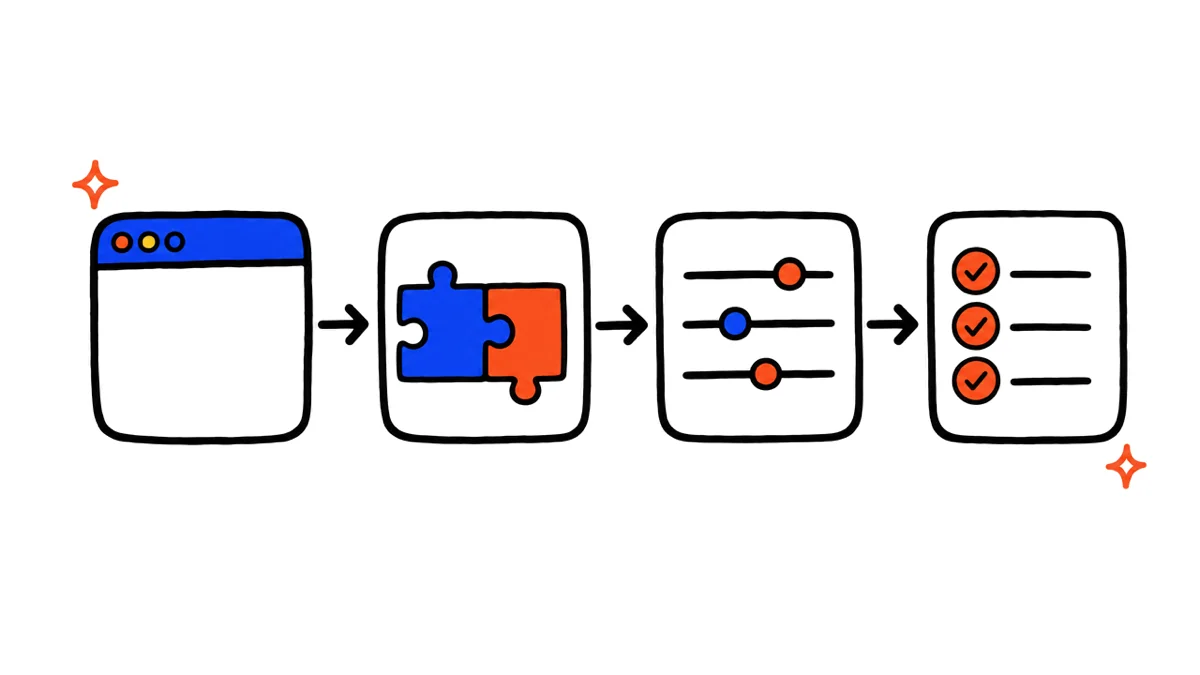
Check the proposed host page before discussing wording. Look for a clear audience, accurate existing entries and enough context for a reader to compare options. Note whether the article explains why each product is included or simply collects names and links.
Then assess the partner and the offer:
- Ownership: Can the person actually publish and maintain the entry?
- Relevance: Does your product solve the problem covered by the page?
- Accuracy: Can the proposed description be supported by your product page?
- Position: Is the promised position clear, and can the publisher change it later?
- Maintenance: Is there a process for handling moved or removed mentions?
- Balance: Would both entries remain useful if the reciprocal arrangement ended?
Do not use a single site metric as your whole decision. It cannot tell you whether the page reaches the right reader, whether the publisher controls it or whether your entry will remain accurate.
A useful rejection rule is simple: decline if the partner cannot identify the exact page, explain the placement or confirm that they can edit it. Also decline if they ask you to make claims you cannot support.
What terms should you agree before publishing?
Agree on the exact pages, product names, links, descriptions and expected positions before either party publishes. Put the terms in writing so both sides can compare the live entries with the agreement. Keep the arrangement narrow. Vague promises such as a future mention on a relevant page are difficult to verify.
Your record can be brief, but it should include:
- The two page URLs
- The product name on each page
- The destination URL for each mention
- The agreed description or approval process
- The expected position or section
- The person responsible for each edit
- The response if one page is removed
Do not promise that an entry will remain unchanged forever unless you can control that outcome. Lists need edits when products change, selection criteria change or an article no longer serves its audience.
You should also preserve editorial freedom. A publisher must be able to correct an inaccurate description or remove a product that no longer fits. The agreement should require notice where practical, not prevent necessary maintenance.
If you own a relevant list and want a structured way to propose a swap, submit the product and page through AY Listicle. You can also host a list to earn credits or use credits to request a placement, according to the platform's published description.
How should you monitor reciprocal listicle swaps?
Monitor the product name, destination link, page position and surrounding description after publication. Save the agreed details and compare them with the live page at regular intervals. Monitoring can identify a change, but it cannot prove why the publisher made it or force the publisher to restore the entry.
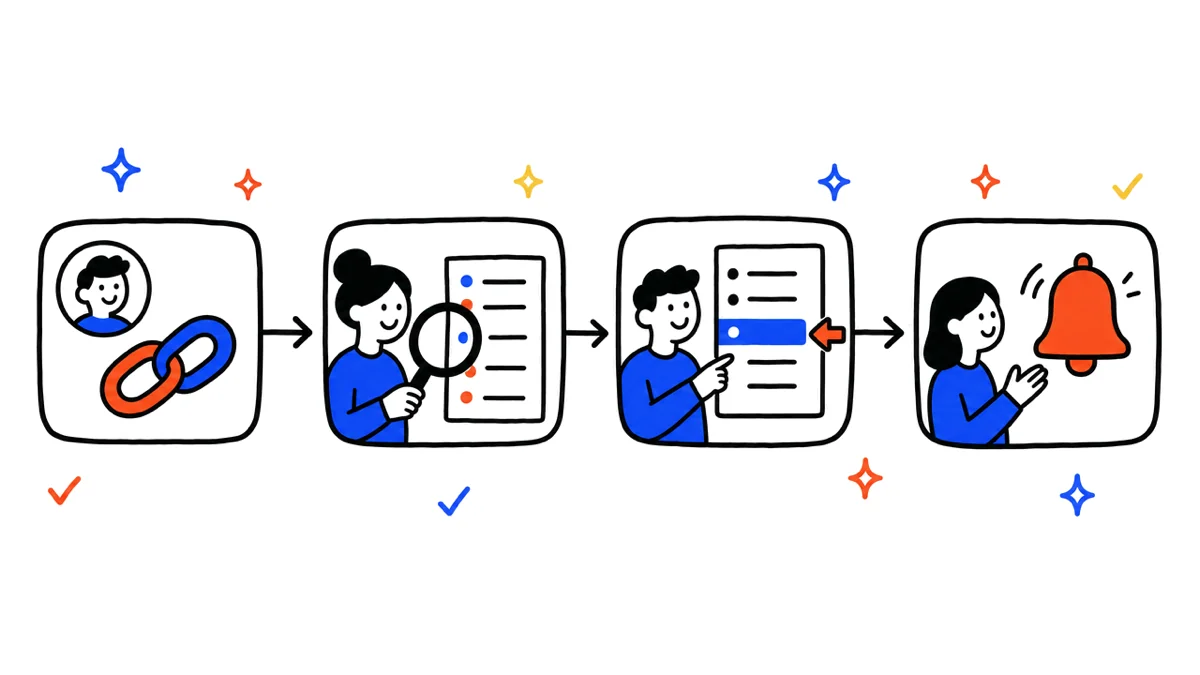
Check the placement shortly after publication. Confirm that the link reaches the intended page and that the description does not introduce unsupported claims. If position was part of the agreement, record it in a form that both sides understand.
Later checks should look for:
- A missing product name
- A removed or changed link
- A move to a different section or position
- An altered description
- A redirected, unavailable or replaced article
AY Listicle says its crawler checks the product name, link and position. It rechecks pages monthly and alerts users if a placement moves or disappears. Monthly checks may not detect a short-lived change immediately, so use a separate review process if timing matters to you.
When an alert appears, inspect the current page before contacting the publisher. The article may have been reorganized, corrected or replaced. Refer to the written agreement, ask what changed and decide whether the revised placement still serves readers.
What should you compare before accepting a swap?
Compare the exact host page, editorial fit, placement terms, verification method and maintenance plan. A swap is ready only when you can answer each point clearly. Missing information does not prove the offer is poor, but it creates uncertainty that should be resolved before you edit your own article.
| Check | What to confirm | Warning sign |
|---|---|---|
| Page control | The other party can edit the named page | They refer to an unspecified future article |
| Topic fit | Your product directly fits the list's subject | The only reason offered is exposure |
| Description | Claims are accurate and approved | Requested wording overstates the product |
| Position | The expected section or position is recorded | Prominent placement is promised without details |
| Link | The intended destination URL is agreed | The destination may be changed without notice |
| Verification | Both parties can confirm publication | One side must rely on a screenshot alone |
| Maintenance | Changes and removals have a response process | Permanent placement is promised without conditions |
Use the table as a decision record rather than a scoring system. A product can fit the topic yet still be a poor swap if the other party does not control the page. A well-controlled page can also be unsuitable when the product does not help its readers.
What can reciprocal listicle swaps not do?
Reciprocal listicle swaps cannot guarantee rankings, traffic, leads or a permanent placement. Monitoring cannot prevent an edit, and a verified link does not prove that the surrounding recommendation is useful. The model also does not fit publishers that cannot edit a relevant list or products that do not belong in available articles.
A swap is not a substitute for product positioning, accurate copy or an independent editorial process. It cannot make an unrelated page relevant. It also cannot resolve legal, advertising or search policy questions for your particular arrangement.
AY Listicle can check specified placement details and report later changes. It cannot control another publisher's page or require a publisher to restore a moved or deleted mention.
Do not proceed when:
- The product does not fit the article
- The list owner cannot confirm page control
- The requested description is inaccurate
- Either side expects guaranteed search results
- The agreement depends on a permanent position
- You cannot maintain the mention you offer
If those limits are acceptable, use the listicle mention platform to submit a product and a relevant list, then evaluate each proposed placement on its own terms.
FAQ
Are LS swaps reliable?
If "LS" means listicle swaps here, they can be reliable when both publishers control the named pages, agree on clear terms and monitor the placements. They are not permanent by default, and they cannot guarantee search or business results. LS engine swaps are a separate automotive topic.
Are LS swaps illegal now?
Reciprocal listicle swaps are not assessed by a single yes or no rule in this guide. Publishers should keep recommendations accurate, review applicable search and advertising rules and seek qualified advice for legal questions. The legality of LS engine swaps depends on automotive rules and is outside this page's topic.
What are some of the weirdest LS engine swaps?
LS engine swap examples are outside the scope of this guide. Here, a listicle swap means two list owners agree to include relevant products in their respective articles. It does not involve engines or vehicle modifications.
How much should a LS swap cost?
This guide does not provide an LS engine swap price. For reciprocal listicle placements, AY Listicle supports direct mention swaps and a credit-based option, but no monetary price is stated here. Review the current platform terms before choosing a placement method.
Can you daily drive an LS swap?
That question refers to an LS engine conversion and is not answered by listicle placement information. A reciprocal listicle swap is a publishing arrangement, not a vehicle modification. If you are evaluating mentions instead, focus on relevance, accurate copy, page control and ongoing checks.
Sources
Last checked: 2026-11-17