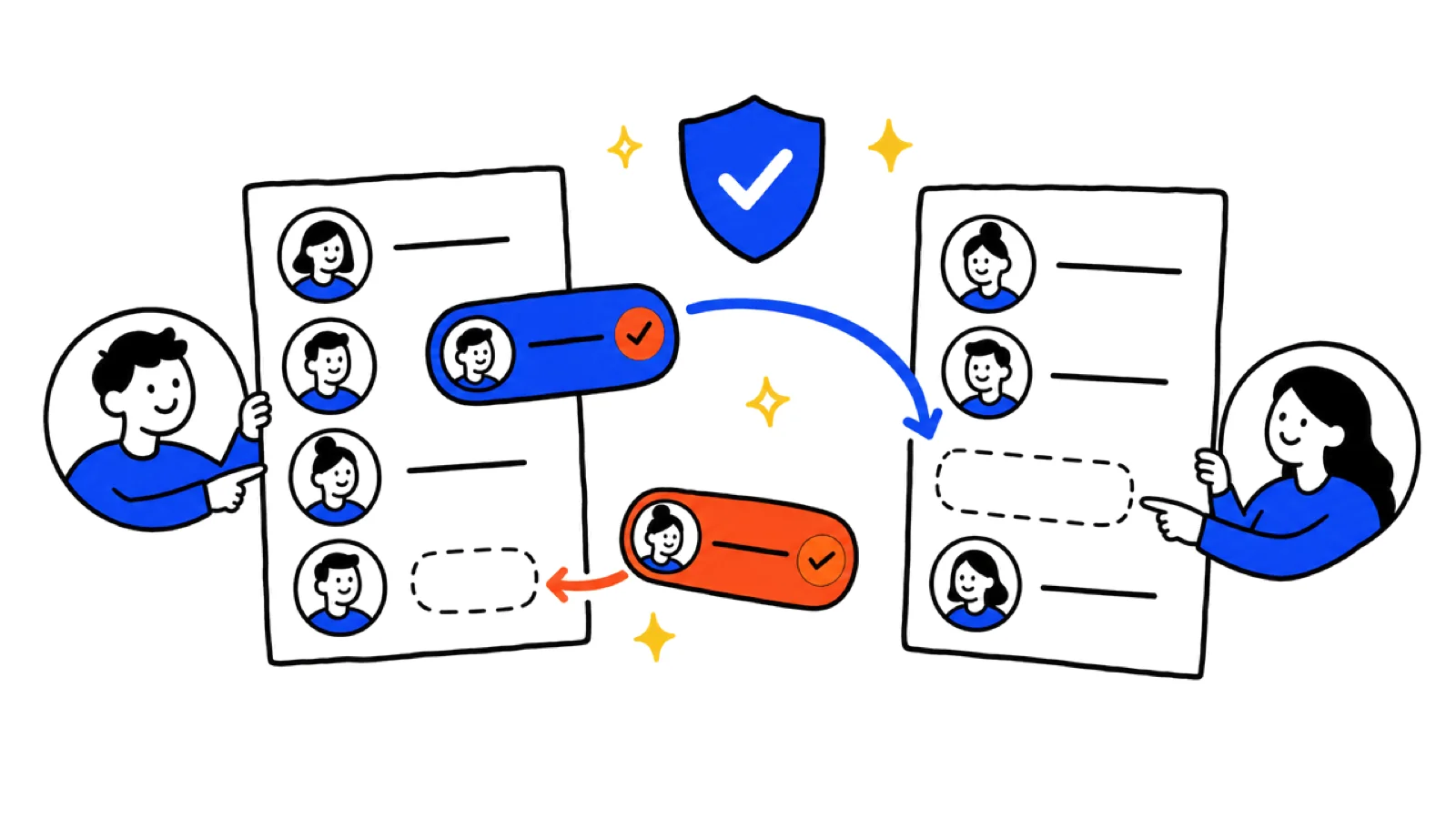
Getting your product mentioned on a Chicago list can put it in front of readers already comparing local SaaS companies. If you want to get SaaS on Chicago best lists, start with pages that match your product, location and buyer rather than chasing every page that contains the word "Chicago." The most practical route for many founders is direct outreach when only a few strong pages matter, while reciprocal swaps or credit-based placements can make sense when you have a relevant list of your own or want a repeatable process.
No named set of placement services could be confirmed for a fair ranking, so this guide compares the main kinds of options instead. A best-of list is an article that groups and compares products for a defined reader, need or location.
The short answer
The right option depends on whether you have a small target list, a useful page to offer in exchange or a need to manage several placements. Relevance comes first. Before contacting a publisher, confirm that its list serves the buyer you want and that your SaaS fits the stated category.
- Direct publisher outreach: Best for a short list of highly relevant Chicago pages where you can make a specific editorial case.
- Reciprocal mention swaps: Best for companies that own a suitable listicle and can offer a relevant mention in return.
- Credit-based placement platforms: Best for founders who want to request placements across multiple participating list hosts.
- Earned editorial inclusion: Best for products with a clear Chicago connection and enough public information for an editor to assess independently.
| Option | What it does | Best for | Pricing basis |
|---|---|---|---|
| Direct publisher outreach | Asks a list owner to assess the product for an existing page | A small number of closely matched lists | Not published |
| Reciprocal mention swaps | Exchanges relevant mentions between companies that own suitable lists | Founders who control an established listicle | Not published |
| Credit-based placement platforms | Uses earned or acquired credits to request mentions from participating hosts | Managing several placement requests | Not published |
| Earned editorial inclusion | Gives an editor enough evidence to consider adding the product without an exchange | SaaS companies with a clear fit for the list | Not published |
How we assessed these options
We compared these routes by audience fit, editorial control, work required, ability to confirm a live placement and suitability for repeated use. We did not rank them by traffic, search position, price or promised results because comparable data for those measures was not available. No route guarantees acceptance or lasting visibility.
<figure class="video"><figcaption>Best SaaS Marketing Strategy to get your first 100 Customers Without Ads</figcaption></figure>
Watch "Best SaaS Marketing Strategy to get your first 100 Customers Without Ads" on YouTube
AY Listicle supports reciprocal swaps and credit-based placements, but we do not place it first by default or claim that it suits every campaign.
Use these checks before choosing a route:
- Reader match: The page should address a reader who could reasonably need your product.
- Category match: Your SaaS should fit the list title and the criteria applied to existing entries.
- Chicago connection: Be ready to explain whether the company, team, customers or use case has a genuine local link.
- Placement terms: Establish what the host expects and whether it controls wording, position and later edits.
- Verification: Keep a record of the product name, destination link and position after publication.
The video below shows a SaaS marketing approach for reaching early customers without ads.
What should you look for in a Chicago best-of list?
Look for a page whose title, audience and existing entries align with your product. A broad Chicago business directory may offer less buyer fit than a focused article about software for a defined task. Read the page structure and selection logic before proposing an addition.
A suitable page should let you answer four questions clearly:
- Who is this list written for?
- What problem do its entries solve?
- Why does your product belong beside the current entries?
- What evidence can the publisher use to assess it?
Do not treat the presence of "Chicago" as enough. A list of local employers, restaurants or visitor attractions does not become a SaaS placement opportunity simply because it ranks well for a Chicago search. The subject and reader intent must also match.
You should also inspect how the article handles links and descriptions. A mention that sends readers to an unrelated page or describes a different use case may create little value. Ask the publisher to use accurate product information, but expect it to retain editorial control over its page.
What are the main kinds of placement options?
The main choices are direct outreach, reciprocal swaps, credit-based requests and earned editorial inclusion. They differ in what you offer, how much control the list owner keeps and how easily you can manage repeated requests. Choose one based on your assets and target pages, not on the appearance of speed.
Direct publisher outreach
Direct outreach means contacting the company or editor responsible for a relevant list. Your message should identify the exact page, explain the product's fit and provide the information needed for an assessment. This route is practical when you have identified a small number of pages that reach the right audience.
Best for
- Founders targeting a few specific Chicago SaaS articles
- Products with a clear reason to appear on each page
Strengths
- Lets you tailor the case to the page
- Keeps communication between you and the list owner
- Works without owning another list
Limits
- Publishers may decline or not respond
- Manual follow-up takes time
- A publisher can later update or remove an entry
Who should skip it: Skip this route if you cannot explain why your product belongs on each selected page or if you plan to send the same generic pitch to unrelated publishers.
Reciprocal mention swaps
A reciprocal swap connects two companies that own relevant articles and can each add a suitable product. The exchange should make sense for both sets of readers. Owning a page is not enough if the proposed product does not fit its topic or comparison criteria.
Best for
- Companies that own a relevant listicle
- Founders willing to assess another product fairly
Strengths
- Gives each participant something useful to offer
- Can create placements without relying only on cold outreach
- Encourages both sides to state the requested page and destination link
Limits
- It does not work if either product is a poor editorial fit
- Both parties must complete and maintain their side
- Each site owner still controls its own content
Who should skip it: Skip swaps if you do not own a suitable list, cannot edit it or would need to add an entry that does not help your readers.
Credit-based placement platforms
A credit system lets a company earn credits by hosting suitable mentions or use credits to request placements from participating list owners. AY Listicle's listicle mention platform supports product and owned-list submissions, reciprocal swaps and credit-based requests. Its crawler checks the product name, link and position, then rechecks pages monthly and alerts users when a mention moves or disappears.
Best for
- Founders handling more than a few placement requests
- List owners who want to earn credits by hosting suitable products
Strengths
- Puts requests and owned lists into one process
- Checks the product name, link and position
- Rechecks pages monthly and reports changes
Limits
- A platform cannot make an irrelevant product fit a page
- Participation depends on suitable list hosts being available
- Verification does not guarantee that a mention will remain live
Who should skip it: Skip this route if you need a specific publisher that does not participate, or if you expect the platform to guarantee acceptance, traffic or search results.
Earned editorial inclusion
Earned inclusion means giving an editor a credible reason to assess your product without proposing an exchange. A concise submission can include the product category, intended user, Chicago connection and the exact page where it may fit. The editor decides whether the addition improves the article.
Best for
- SaaS products with a direct connection to Chicago
- Companies with clear public product information
Strengths
- Keeps the decision focused on editorial fit
- Works even when you do not own a list
- Can suit publications that do not accept swaps
Limits
- You cannot require inclusion or a particular position
- Editorial review may take time
- The publisher may reject the submission without detailed feedback
Who should skip it: Skip this route when the only connection is a desire to rank for a Chicago phrase. A weak local link gives an editor little reason to add the product to a location-based article.
How should you choose a placement route?
Choose direct outreach for a few priority pages, swaps when you own a fitting list, and a credit-based platform when you need an organised process across several hosts. Earned inclusion fits products with a strong editorial and local case. You can combine routes, but assess every page separately.
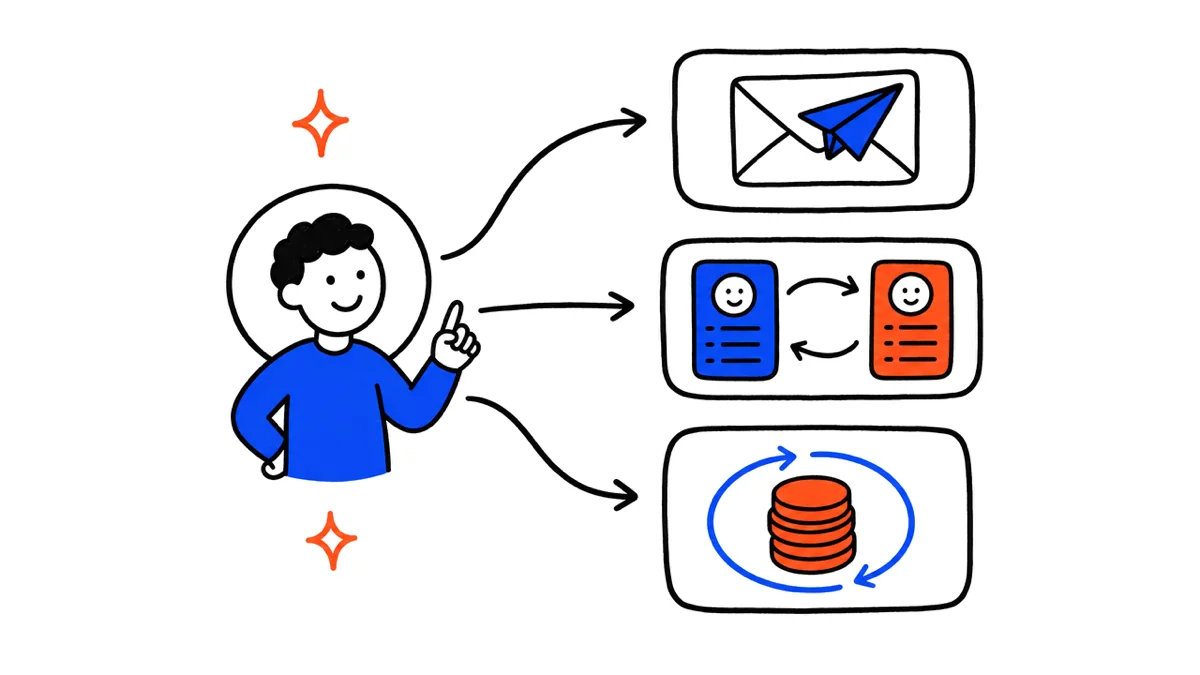
Choose direct outreach for a short target list
Build a small list of pages that match your buyer and product category. Write a separate note for each publisher that names the page and explains the missing angle your product could cover. Avoid asking for a generic "backlink" without addressing the article's readers.
Choose reciprocal swaps when both pages benefit
Use a swap only when each product belongs naturally on the other company's page. Review the proposed entry as you would any editorial addition. If you would reject it without the exchange, it should not be published because of the exchange.
Choose credit-based requests for repeated work
A platform can help when spreadsheets and manual checks start to become difficult to maintain. It can record requests and verify specified placement details. You still need to judge relevance and review the live wording yourself.
Choose earned inclusion for a strong Chicago story
Explain the local link in plain terms and connect it to the list's purpose. Give the editor enough product information to make a decision, then let the publisher choose whether and how to include it.
To manage swaps or credit-based requests, submit your product and any list you own through AY Listicle. Start with the page that offers the closest audience and category fit rather than sending requests to every available host.
FAQ
These answers cover the practical questions founders and list owners face when evaluating Chicago SaaS list placements. The central rule is simple: the product, page and reader must match. A placement method can organise an exchange or request, but it cannot replace editorial relevance or promise a lasting result.
Can you give me some examples of SaaS tools?
SaaS tools include software delivered as an online service for tasks such as customer support, accounting, project management or marketing. For list placement, use your product's specific category rather than the broad SaaS label because a focused category gives publishers a clearer reason to assess it.
What is a must have in Chicago?
For a Chicago SaaS list submission, a clear and genuine Chicago connection is a must have. The connection should support the page's topic rather than act as a loose keyword reference, and the product must still fit the list's category and intended reader.
How do I find relevant Chicago SaaS best lists?
Search for pages that combine your product category, buyer and Chicago connection. Review each page's title, existing entries and selection logic, then remove directories, job pages and local articles that do not compare software for your intended user.
Can I pay to get SaaS on Chicago best lists?
Payment terms depend on the publisher or placement service. Ask what the arrangement covers, who controls the entry and whether the page labels commercial relationships. Do not assume that payment guarantees acceptance, position, traffic or continued publication.
Are reciprocal listicle swaps suitable for every SaaS company?
No, reciprocal swaps only make sense when both companies own relevant pages and each proposed product helps the other page's readers. If either addition is off topic, use direct outreach or seek a different list instead.
How should I verify a published SaaS mention?
Check that the published entry uses the correct product name, links to the intended page and appears in the agreed position. Save the page URL and review it over time because publishers can edit, move or remove entries.
Does a best-list mention guarantee customers or search rankings?
No, a best-list mention does not guarantee customers, traffic or search rankings. Treat it as one distribution route and judge the opportunity by reader fit, accurate presentation and the quality of the referring page.
What should I send to a Chicago list owner?
Send the exact article URL, a short explanation of why your product fits, an accurate product description and the destination link. Include the genuine Chicago connection where the list is location based, and let the editor decide whether the entry belongs.
Sources
- AY Listicle
- "Best SaaS Marketing Strategy to get your first 100 Customers Without Ads" by SaaS Mastery
Last checked: 2026-11-17